
Measurement
Measurement in early childhood is how young children begin to understand and describe the world using ideas like more and less, big and small, heavy and light, long and short, and full and empty. For children ages 0–5, measurement is not about using rulers or scales yet. Instead, it develops through observing, comparing, estimating, and exploring during everyday play, such as pouring water into different containers, stacking blocks, or carrying toys. As children use their senses to explore and talk about what they notice, they build important thinking and problem-solving skills that support future math learning.
Key elements include:
- More, Less and Same: Noticing which group has more, which has less, and when two amounts are the same.
- Comparing Size and Length: Noticing which object is bigger or smaller, longer or shorter, taller or shorter.
- Weight and Capacity: Exploring heavy and light, full and empty, more and less through lifting, pouring, and filling.
- Using Tools Informally: Exploring with non-standard tools like hands, cups, blocks, or footsteps to measure and compare.
- Language of Measurement: Building vocabulary such as tall, taller, short, shorter, wide, narrow, deep, near, and far.
- Ordering and Relative Size: Arranging objects in order based on an attribute like shortest to tallest or lightest to heaviest, and understanding that size is relative. For example, one object can be bigger than one thing and smaller than another at the same time.
Through playful, hands-on activities like stacking blocks, cooking together, comparing toys, and weighing foods at the grocery store, children naturally develop measurement skills. These early experiences support later understanding of math concepts such as units, numbers, operations, and data, while also strengthening problem-solving, reasoning, and communication skills.
Check out our list of books that build this skill below. Click each book cover to access our fun, simply activity guides – great for use in the classroom or at home! These guides include talking tips and hands-on activities using everyday items to support early measurement learning through play.
Featured Titles
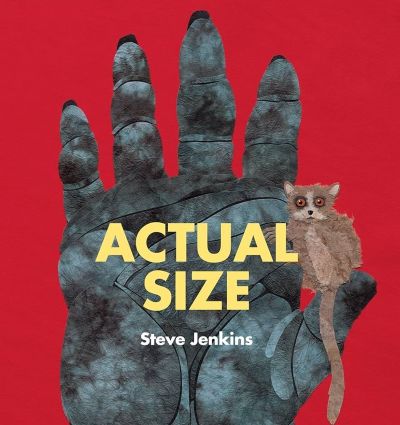
Actual Size
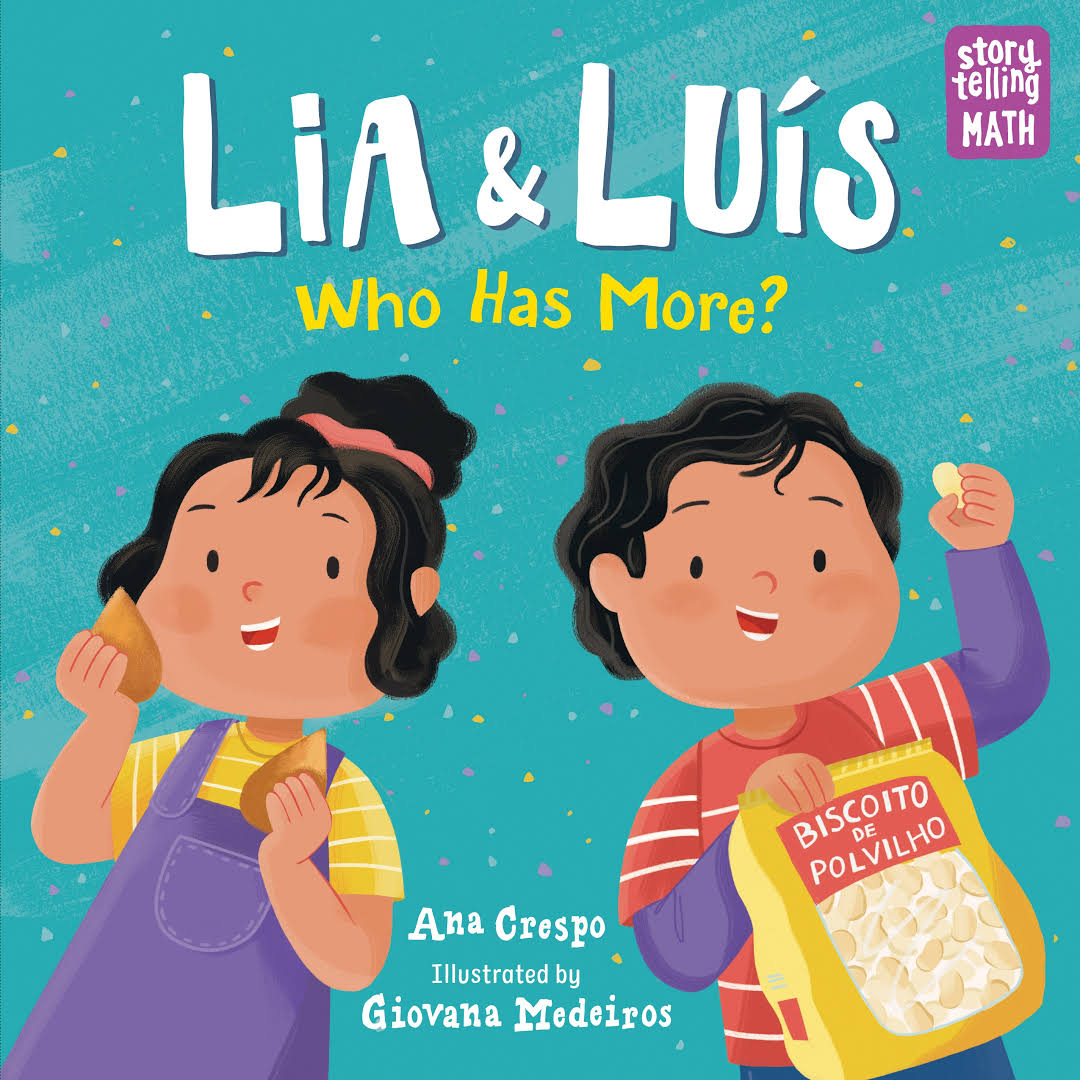
Lia & Luis: Who Has More?
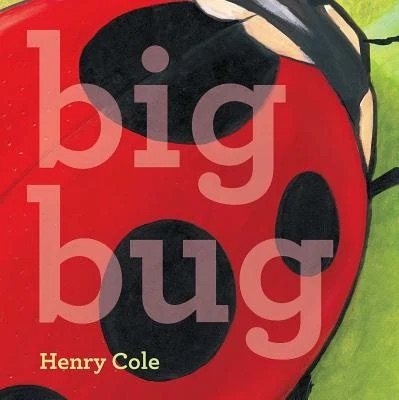
Big Bug
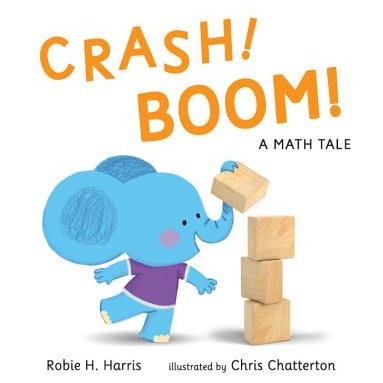
Crash! Boom! A Math Tale
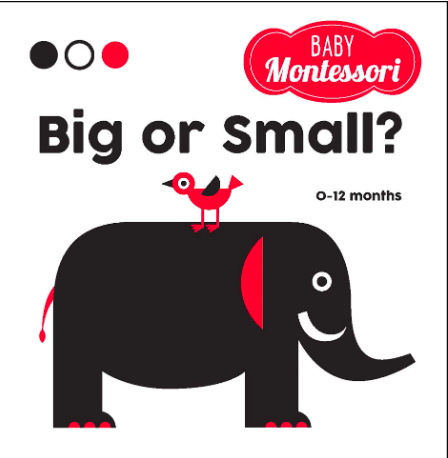
Montessori Big or Small
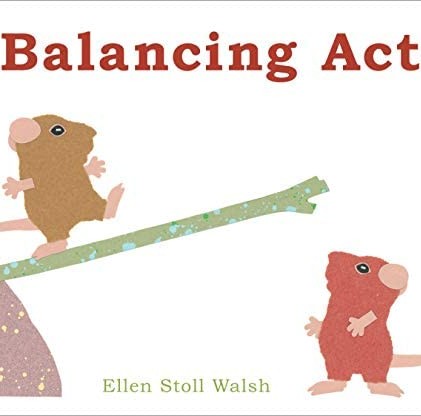
Balancing Act
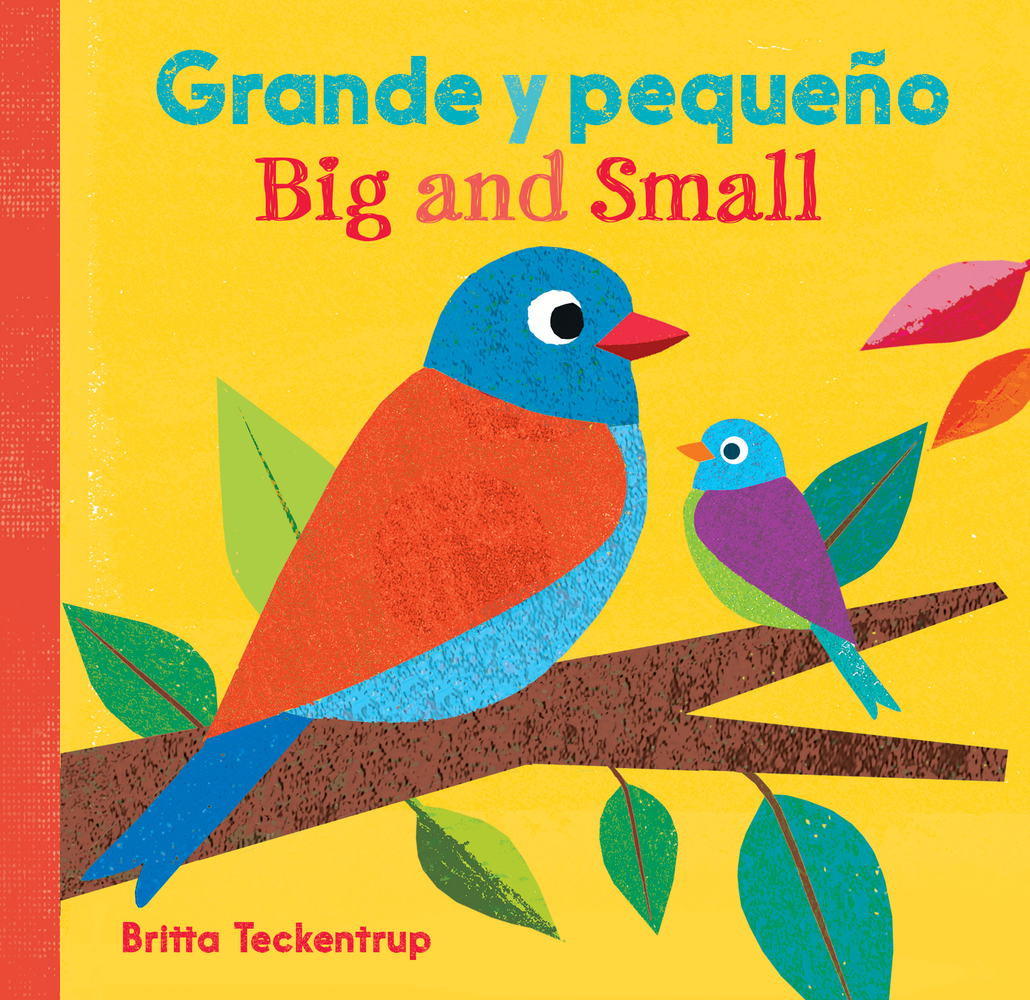
Big and Small
Join our newsletter