

Change is a natural part of growing up—whether it’s welcoming a new sibling, moving to a different home, starting school, or navigating shifting family dynamics. For young children, even small transitions can feel overwhelming. That’s why building resilience early through connection, conversation, and shared experiences is so important. Resilient children are better able to manage big feelings, adapt to new situations, and develop the confidence they need to thrive.
Books are powerful tools for supporting children through life’s ups and downs. Stories provide a safe space to explore emotions, model coping strategies, and reflect the diverse experiences of children and families. When young readers see characters navigating change with courage, curiosity, and care, they’re empowered to do the same.
Below, we’ve gathered 12 picture books (perfect for children ages 0-5!) that can help little ones process change, build emotional resilience, and feel less alone in their experiences. Talking tips are provided for each title to make the most of each book-sharing opportunity to build strong bonds and resilience through change.

Potty Time with Pete the Kitty
Written & Illustrated by Kimberly and James Dean
This lift-the-flap potty training book features Pete the Kitty as he learns to use the bathroom. Young readers follow along as Pete goes through each step—using the potty, washing his hands, and staying consistent. Encouraging and fun, this book helps kids build healthy bathroom habits with positive reinforcement along the way.
Age level: 0 – 2 years
Talking Tip: Take your child on a tour of your bathroom and describe what the toilet is used for—if they have a potty toilet, show it to them and describe its use. Describe how they may feel in their body when they have to use the toilet and encourage them to try. Assure them that accidents happen and that you’ll try again the next time.
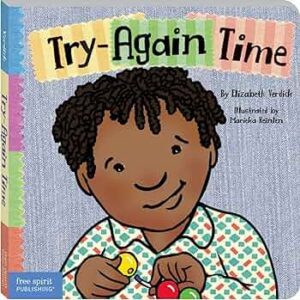
Try-Again Time
Written & Illustrated by Elizabeth Verdick
This storybook shares that everyone makes mistakes! In fact, that’s how we learn to do new things. This is a great story to share to encourage little ones to try and try again, to take their time, to learn new things, and how to manage their feelings when mistakes are made.
Age level: 0 – 3 years
Talking Tip: For infants and toddlers, talk to your child about trying. Let them know that mistakes are okay! You might say, “Oops! Try again!” to show that it’s normal to keep going when something doesn’t work the first time. For toddlers, help your child name the feelings that come with trying something hard or making a mistake. They might feel frustrated or upset. Practice making “frustrated” or “upset” faces together. Ask, “What face do you make when you’re trying? When you’re thinking?” Then show what a face looks like when someone succeeds — big smiles and proud expressions. Then, play together with building blocks. Talk about what happens when the blocks fall down. How does it feel when they fall? Encourage your child to try again and celebrate their effort and persistence!
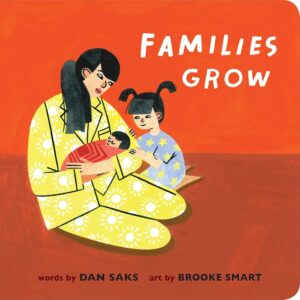
Families Grow
Written by Dan Saks
Illustrated by Brooke Smart
This warm appreciation of love invites the youngest readers to share in the joy and excitement of expecting families. The lyrical, rhyming text subtly references pregnancy, surrogacy, and adoption, gently touching on the different ways a family can grow.
Age level: 0 – 3 years
Talking Tip: Use simple words to explain what the word grow means — for example: “Grow means getting bigger!” or “You were a tiny baby, and now you’re getting taller.” Look at baby photos of yourself or other family members. Point and say things like, “This is me when I was a baby. Now I’m a grown-up!” or “Here’s Grandma when she was little.”
Little ones may not ask questions yet, but you can still point, smile, and repeat words like “baby,” “big,” and “grow.” For toddlers who talk, invite simple questions: “Who’s that?” “What’s baby doing?”
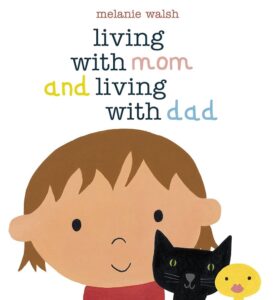
Living with Mom and Living with Dad
Written by Melanie Walsh
A child shares her experiences living in two different homes—one with her mom and the other with her dad. This flap book is easy to read and enjoy with younger children.
Age level: 2 – 5 years
Talking Tip: Separation can be a big change for both children and adults. Picture books can help families start conversations and share ideas about how to handle this transition together.
As you read, ask your child questions like:
- “What is it like when you’re at Mom’s house? What about when you’re at Dad’s?”
- “What’s your favorite thing to do at each place? What do you miss when you’re not there?”
- “What can we do to help you feel better?”
If your child is too young to answer these questions, provide your own answers. Talk about each of the homes, and share how each home is special, loving, and a place where he or she belongs.
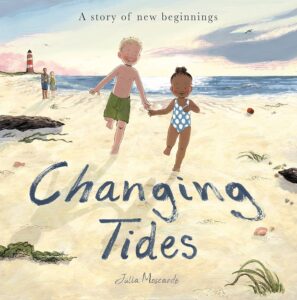
Changing Tides: A Story of New Beginnings
Written & Illustrated by Júlia Moscardó
In this story, two families are combined into one as new siblings navigating their relationship while playing with sand at the beach.
Age level: 3 – 5 years
Talking Tip: Introducing new family members can be overwhelming to young children. In this story, both new siblings interacted by playing at the beach. Ask your child to describe a favorite activity that they and their siblings enjoy. Ask questions like, “What is your sister’s/brother’s favorite toy? Do you like it too?” or “What food is your favorite? How about your sister’s/brother’s?”
Asking questions that connect siblings’ experiences helps build relationships, strengthening the bond between new siblings through learning and exploring each others’ likes and dislikes.
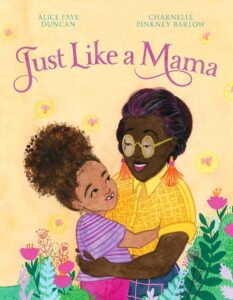
Just Like a Mama
Written by Alice Faye Duncan
Illustrated by Charnelle Pinkney Barlow
This book shares the story of a young girl who is coming to live with her adoptive Mama Rose. Although the girl misses her mother and father, she adapts to her new house, new rules, and new routine with Mama Rose—who is loving, caring, and supportive—just as any parent should be!
Age level: 3 – 5 years
Talking Tip: Talk to your kids about what family means to them. Explain that there are many different ways to have a family, and not all families are related by blood. Some families might look different from yours — it could be a grandma and a child, or a big family with four parents and six siblings.
Help your child think about what makes them feel loved and cared for. For example, someone who gives them food when they’re hungry, plays with them, tucks them in at bedtime, takes them to and from school, or shows care in other ways. Encourage them to share what makes them feel safe and loved in a family. Ask them to describe the people who are part of their family.
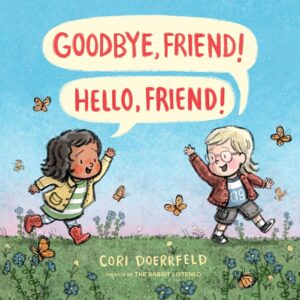
Goodbye, Friend! Hello, Friend!
Written & Illustrated by Cori Doerrfeld
This book follows two best friends who have so many shared memories and fun experiences, but unfortunately, they have to say goodbye since one of them is moving. Change and transitions are hard, but Goodbye, Friend! Hello, Friend! demonstrates that when one experience ends, it opens the door for another to begin.
Age level: 3 – 5 years
Talking Tip: Ask your child if they remember someone that lives really far away like a family member or friend. Model ways to say goodbye and hello. Then, talk about activities (like a phone call, a video call, or arranging a visit) that help connect us with special friends and family that live elsewhere.

When the Stars Came Home
Written by Brittany Luby
Illustrated by Natasha Donovan
This story follows Ojiig and shares the feelings that come with moving to a new place. To make him feel better, his family gives him a special quilt stitched with family stories, and Ojiig discovers that the power of story and tradition can make a new place feel like home.
Age level: 3 – 6 years
Talking Tip: Show your child a special object that was given to them or to you by a special friend or family member. Share with them what makes it special and how it makes you feel. Ask your child if they received a special gift that they would like to share, then ask them how it feels to receive a special gift. Have them share memories about the person that give them this special gift.
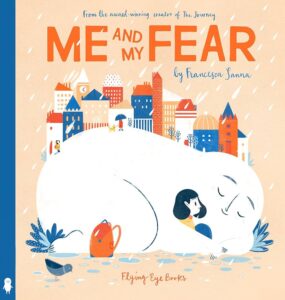
Me and My Fear
Written & Illustrated by Francesca Sanna
A young immigrant girl, guided by her growing Fear, struggles to adjust to a new country and school, haunted by doubts about language and friendship. Yet she discovers she is stronger than her Fear, learning that sharing it with others brings comfort. This heartfelt story reminds us that everyone carries Fear—even if it’s small enough to fit into your pocket.
Age level: 3 – 6 years
Talking Tip: Take the time to talk to your child about fear. You might ask:
- “What does it feel like when you are afraid? What does your face look like? What do you feel in your body?” For example, you may offer than when you are scared, your eyes get wide and your heart may pound.
- “What are you afraid of? Who or what makes you feel scared?”
- “When you are afraid, what is something you can do to make you feel better?”
This story is a great opportunity to talk to your child about what it means to be an immigrant. Describe what the word immigrant means in your own words. If you or someone in your family is an immigrant, share with them where you or your family came from and where you moved to. Share with them what were the brave things you did when you were young, who helped you when you were scared, and what you do so you don’t feel too scared anymore. Invite them to ask questions and lead the conversation with their curiosity.
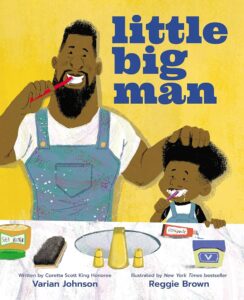
Little Big Man
Written by Varian Johnson
Illustrated by Reggie Brown
When Elijah’s family is expecting a new baby, he struggles with the shift in attention from his parents. His father encourages him to take on a new role as the ‘Little Big Man,’ helping around the house so the family can work together and make time for fun.
Age level: 3 – 6 years
Talking Tip: Young children are often aware of changes in how adults interact. Talking to them about new family roles and responsibilities can help them understand what’s happening and build a strong bond with their new sibling. You might ask:
- “What would you like to help with when the baby comes home?”
- “What are some things you can do now that you’re a big brother or big sister?”
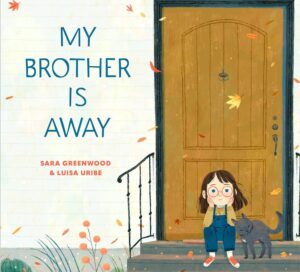
My Brother is Away
Written by Sara Greenwood
Illustrated by Lisa Uribe
A young girl really misses her brother—they used to spend a lot of time together. Now , things feel different and it’s hard not seeing him like she used to. This story gently describes what some families experience when a family member is in prison.
Age level: 4 – 6 years
Talking Tip: Talking to children about a family member who is in prison can be hard. Picture books that show similar situations can help children feel seen and understood. It’s important to acknowledge their feelings—especially how much they might miss that person and the things they used to do together. Let them know you’re there to support them. You can also ask if they have any ideas for staying connected with their loved one, even when they can’t be together. Try looking at photos, talking about special memories, or drawing pictures to help them express how they feel.
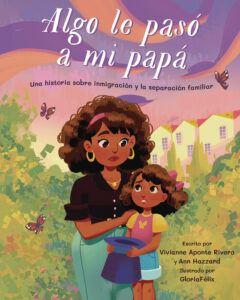
Algo le pasó a mi papá (Something Happened to my Dad)
Written by Vivianne Aponte Rivera and Ann Hazzard
Illustrated by Gloria Felix
This story follows Carmen as her family faces the difficult experience of her father being deported. Through Carmen’s eyes, readers see how her family navigates this uncertain time and the many questions that come with it. At the end of the book, you’ll find an author’s note, a helpful vocabulary list, and thoughtful questions and conversation starters to support families in talking about similar experiences.
Age level: 4 – 6 years
Talking Tip: Ask your child how you can support them during uncertain times. Describe what the word security means, and how it feels to be safe and secure. Ask: “What makes you feel secure? What makes you feel safe at home, at school, and in the community?”
Describe what the term “safe space” means. Ask your child to share people or places that are safe spaces to them. What are these people/places like? How do these people or places make your child feel safe?
Tandem Book Selection Committee
Tandem’s Book Selection Committee is a group of Tandem staff and board members who regularly meet to discuss, source, and vet children’s book titles for Tandem’s circulating and giveaway book collection. Central to this committee’s mission is sourcing high quality, multicultural, multilingual books that validate a child’s self-worth and broadens their understanding of the world, and offer engaging, inclusive, age-appropriate content that sparks conversations and evokes emotion.