Patterns
Patterns are repeated, predictable arrangements of sounds, movements, shapes, colors, or actions that help children notice order in their world. For children ages 0–5, working with patterns builds the habit of prediction and sequencing. These skills that support memory, attention, early literacy, and the beginning of algebraic thinking. Patterns start simple (ABAB) and grow more complex (AAB, ABB, ABC), and young children move from noticing repeats to making, continuing, and describing them.
As a standalone skill, patterns encourage children to:
- Notice repetition: See when things repeat in songs, claps, lines of blocks, or rows of stickers.
- Make sequences: Create their own repeating arrangements with objects, movements, or sounds.
- Continue a pattern: Predict and add the next item in a sequence after seeing part of it.
- Name and compare: Talk about how patterns are the same or different by focusing on color, shape, size, or rhythm.
- Use patterns across contexts: Apply repeating rules to routines, stories, music, and play, connecting pattern thinking to language and everyday routines.
Hands-on, playful experiences help children discover patterns naturally: clapping or tapping rhythms, stringing colored beads, arranging toy cars in repeating orders, or repeating refrains during story time. These simple, joyful activities give children practical ways to practice prediction, follow rules, and spot relationships that will support later math and reading skills.
Click the book covers below to access our free activity guides – great for use in the classroom or at home! These guides include talking tips and hands-on activities using everyday items to reinforce pattern recognition through play.
Featured Titles
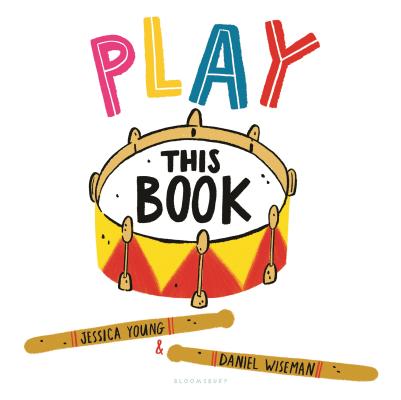
Play This Book
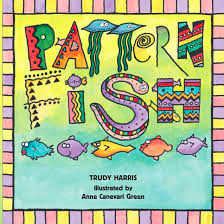
Pattern Fish
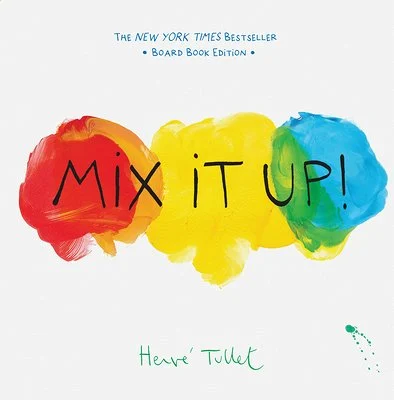
Mix it Up
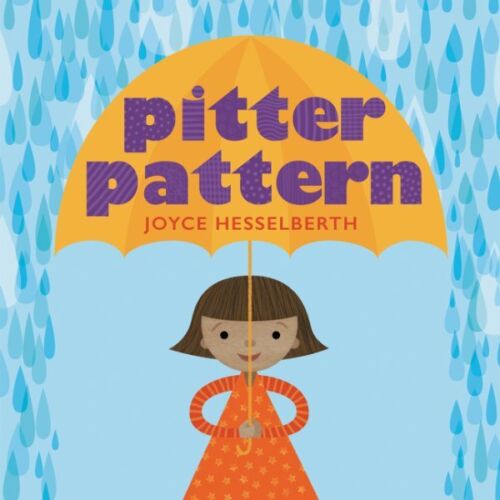
Pitter Pattern
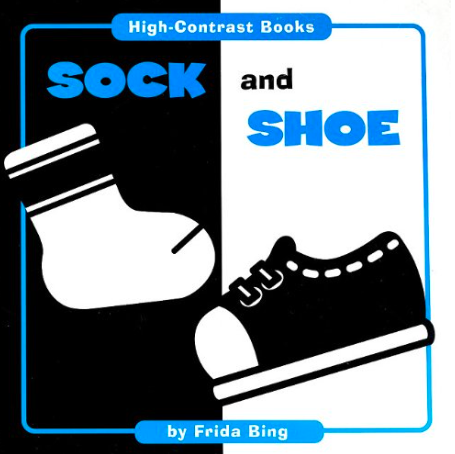
Sock and Shoe
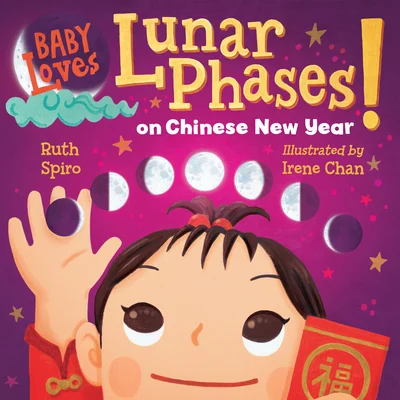
Baby Loves Lunar New Year
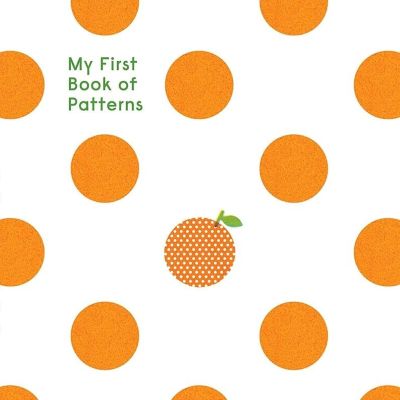
My First Book of Patterns
Join our newsletter