Geometry
Geometry is the exploration and understanding of shapes and space—a skill that reveals how everything in the material world has shape. In early math, the focus is often on regular shapes: two-dimensional figures like circles, triangles, and rectangles, as well as three-dimensional solids such as spheres, polyhedrons, boxes, pyramids, blocks, cylinders, and balls.
As a standalone skill, geometry encourages children to:
- Recognize and Name Shapes: Identify and describe both flat shapes and solid forms found in everyday objects.
- Observe Spatial Relationships: Understand how shapes relate to one another—using terms like “next to,” “above,” and “inside.”
- Explore Attributes: Notice key properties like edges, corners, curves, and surfaces, and compare these features across different shapes.
- Develop Visual and Spatial Reasoning: Visualize and mentally manipulate shapes, which is essential for navigating and understanding the physical world.
By engaging in hands-on activities like drawing, building with blocks, or assembling puzzles, children develop a solid foundation in geometric concepts that will support later learning in math and science.
Click each book cover below to access our fun, simply activity guides – great for use in the classroom or at home! These guides include talking tips and hands-on activities using everyday items to reinforce geometry concepts and shape recognition through play.
Featured Titles
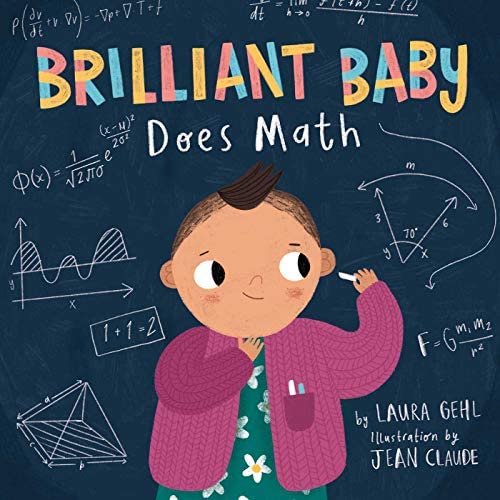
Brilliant Baby Does Math
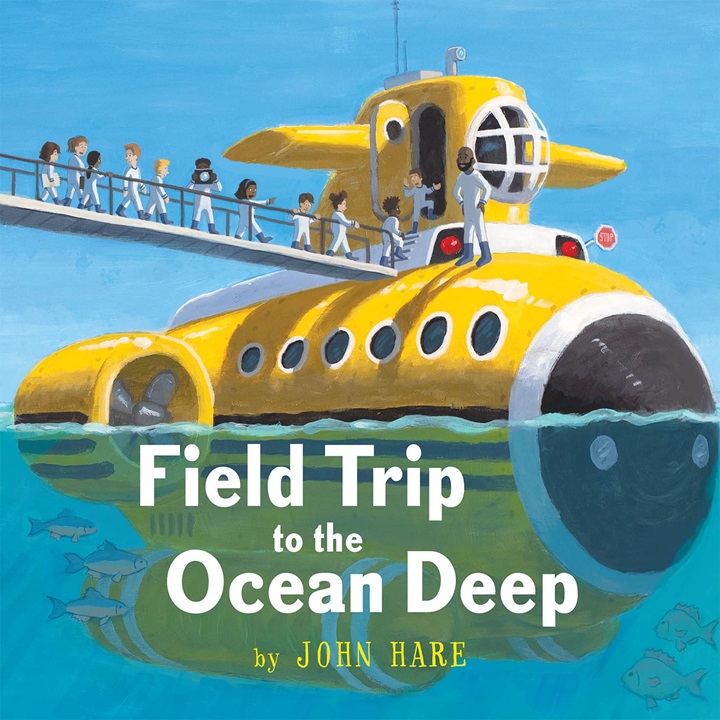
Field Trip to the Ocean Deep
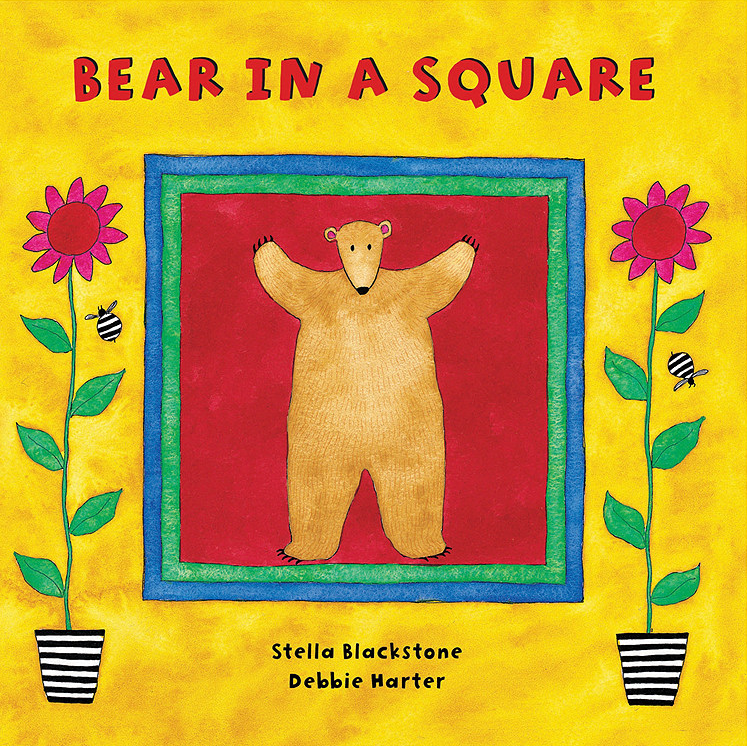
Bear in a Square
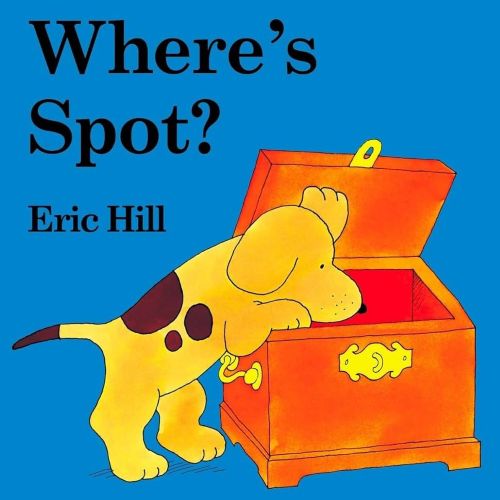
Where’s Spot?
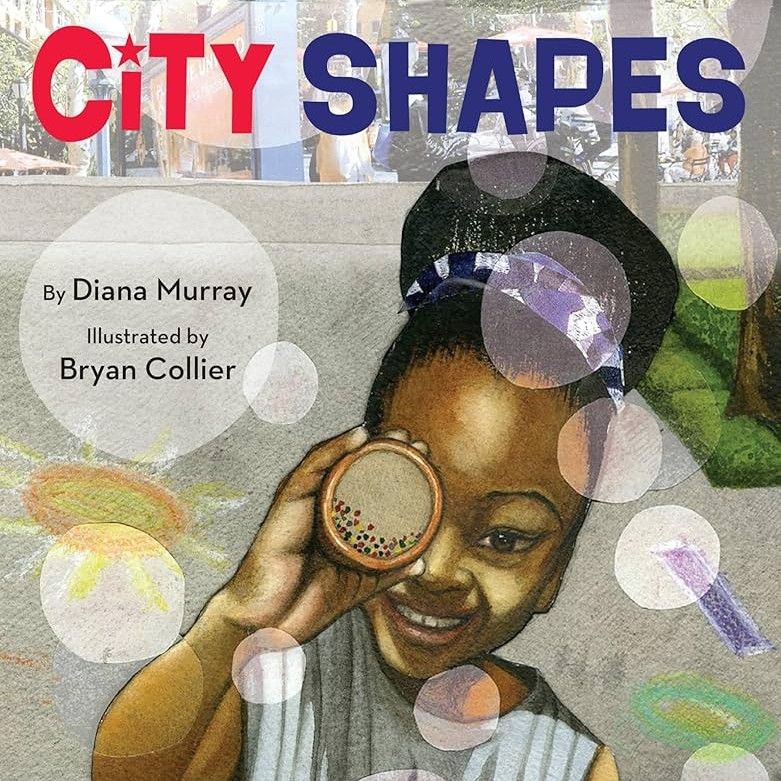
City Shapes
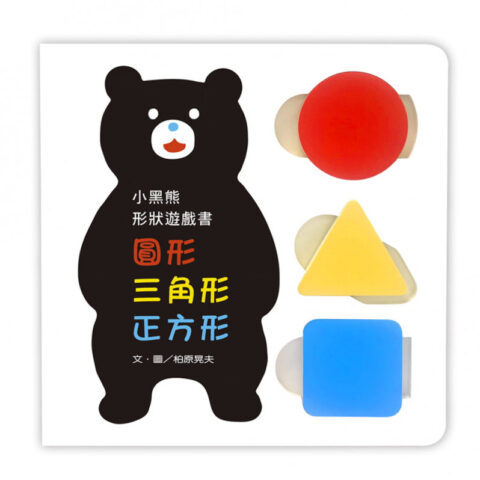
Little Black Bear’s Shapes
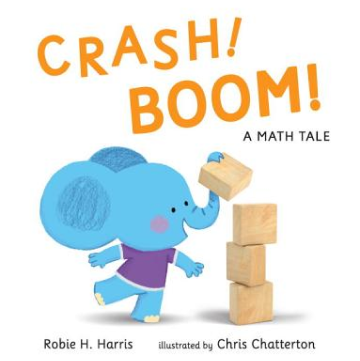
Crash! Boom! A Math Tale
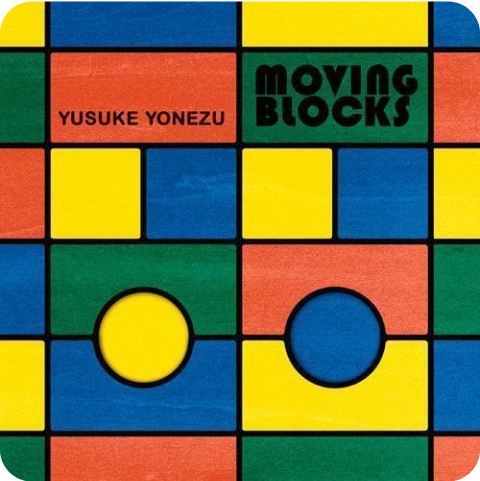
Moving Blocks
Join our newsletter